Part 2 of the SCA and AmeriCorps Internship Series
Why the SCA and Americorps Matter
The SCA and AmeriCorps (Student Conservation Association) are more than volunteer organizations. Each internship contributes to preserving our natural resources, historic sites, ecosystems, wildlife, and marine environments. Federal agencies, nonprofit organizations, and graduate advisors recognize the value of this experience because it develops practical skills that cannot be learned in a classroom alone.
These internships are far more than another line on a résumé. they often become the foundation of a professional career. They provide hands-on field experience, expose you to different career paths, and create networking opportunities that no classroom or student organization can replicate
Finding the Right Internship
Once you complete your résumé and begin browsing internships, the process can feel overwhelming. Some students convince themselves they are not qualified enough to apply, while others want to submit applications for every position they see. Neither approach is ideal.
Instead, focus on internships that align with your interests while teaching transferable skills. If you want to work in wildlife biology, search for wildlife positions. If you’re interested in prairies, forests, bottomland hardwoods, wetlands, or marine environments, target internships in those ecosystems. Every internship should help answer an important question: Is this the kind of work I want to do every day?
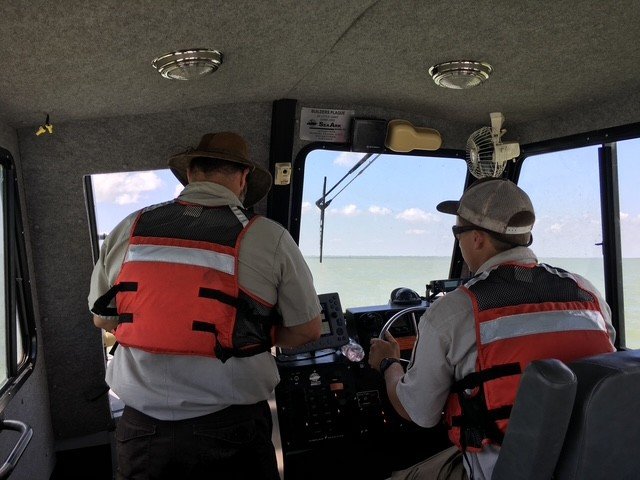
My time at Aransas National Wildlife Refuge (Aransas NWR) taught me exactly why this matters.
I met another SCA intern whose dream was to make underwater discoveries. He had earned a Marine Biology degree but had never taken the time to understand what those careers actually involved. He imagined discovering new marine species and shipwrecks while working in a laboratory. The reality was very different.
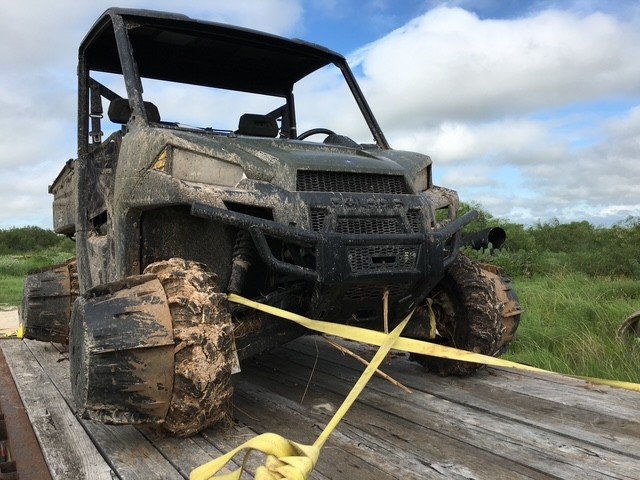
His first internship was at a fish hatchery, but he disliked handling fish and quit. He then accepted a wildlife biology internship at Aransas NWR, only to discover that he didn’t enjoy fieldwork either. Wildlife biology involved long days on boats, operating UTVs, clearing brush, conducting wildlife surveys, identifying plants, recording vegetation plots, building barbed-wire fences, participating in prescribed burns, and spending countless hours outdoors.
The refuge staff genuinely wanted him to succeed. They moved him into an interpretive position where he could assist visitors, lead tours, and work in the refuge store. Unfortunately, he also disliked interacting with the public.
Watching his experience unfold taught me an important lesson. Choosing the right internship isn’t just about finding a position that sounds interesting. It requires understanding the realities of the work, knowing your own strengths and limitations, and being honest about the type of environment where you’ll thrive.
When Everything Clicked
My experience could not have been more different.
When I arrived at Aransas NWR, my interests centered on ecology. I wanted to understand how biological systems functioned and whether field science was truly the career I wanted. My supervisor began by assigning small projects to learn what I could do and how willing I was to push myself.
After a few weeks, he took me for a drive simply to learn more about me, my background, my interests, and my goals. That conversation changed everything.
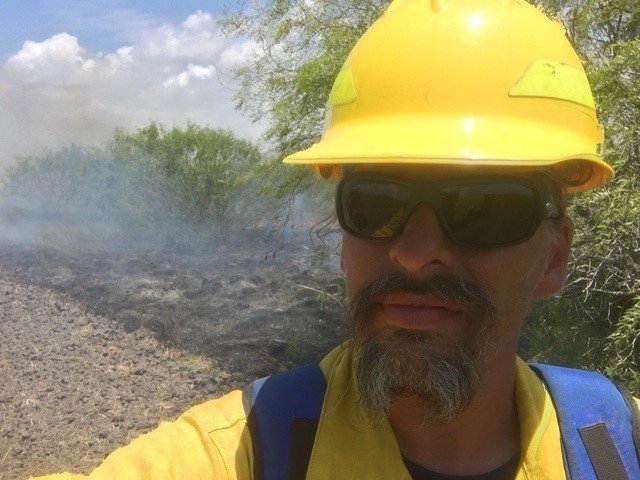
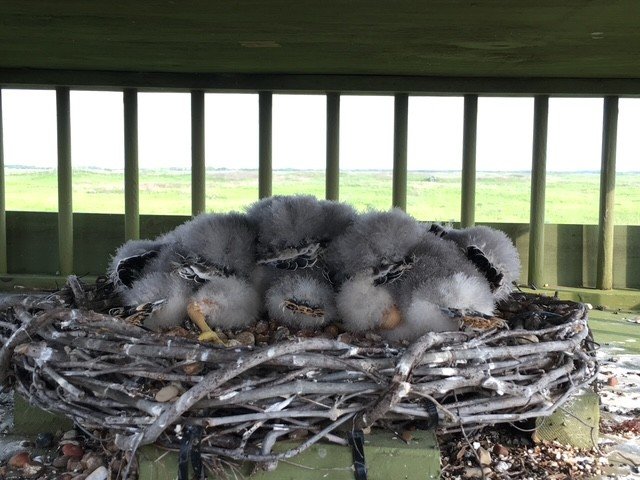
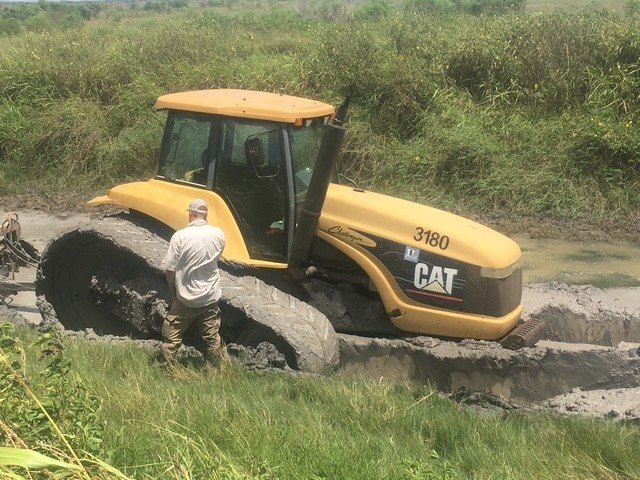
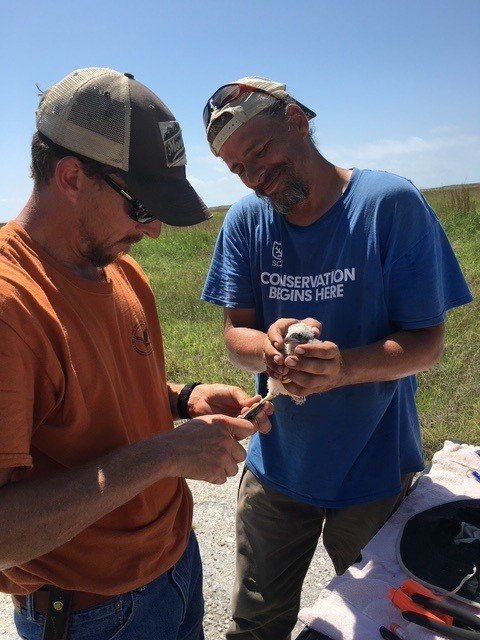
Before long I was operating heavy equipment, participating in prescribed burns, conducting wildlife counts, establishing vegetation plots, banding falcons, learning to operate nearly every piece of equipment on the refuge, working alongside the maintenance staff, giving presentations to local schools, interacting with visitors, and even learning the basics of GIS.
Aransas NWR became much more than an internship.
The refuge’s vast coastal wetlands along the Gulf Coast exposed me to challenges I had never imagined. I worked through waterspouts, tornadoes, and powerful electrical storms. I trapped feral hogs, helped save hundreds of thousands of gallons of freshwater after a levee failure, learned how levees and water-control structures function, and gained firsthand experience managing healthy wetlands.
The more questions I asked, the more responsibility my supervisor gave me. Every new challenge became another opportunity to learn. I made mistakes, just like everyone else did at Aransas NWR, but I was surrounded by people who understood that I was there to learn. Because I showed genuine curiosity and a willingness to work hard, they trusted me with increasingly important responsibilities. We all jumped in and helped each other no matter what happened or who it was. Being successful in the field requires real teamwork.
How Does it All Fit Together
Looking back, Aransas NWR was the internship that changed the direction of my career. I would absolutely suggest looking into the SCA and AmeriCorps for your internship program, especially if you are interested in the outdoors and want real hands-on experience. It introduced me to wetland management, coastal ecosystems, GIS, equipment operation, public outreach, and leadership. Most importantly, it sparked my interest in coastal wetlands, landscape processes, and the interactions between water, sediment, and ecosystems. Those experiences ultimately led me toward coastal geomorphology, where I found my passion for understanding how biological processes and physical landscapes shape one another.
A good internship doesn’t just build your résumé; it helps you discover the career you were meant to pursue.
Aransas NWR changed the direction of my career, but that wasn’t the whole story. In Part 3, I’ll share what it was really like to live as an SCA/ AmeriCorps intern, the challenges, the hidden benefits, and the lessons that still shape my career today. Looking for Part 1? In Part 1 I talk about how the SCA and AmeriCorps internship process worked out for me.
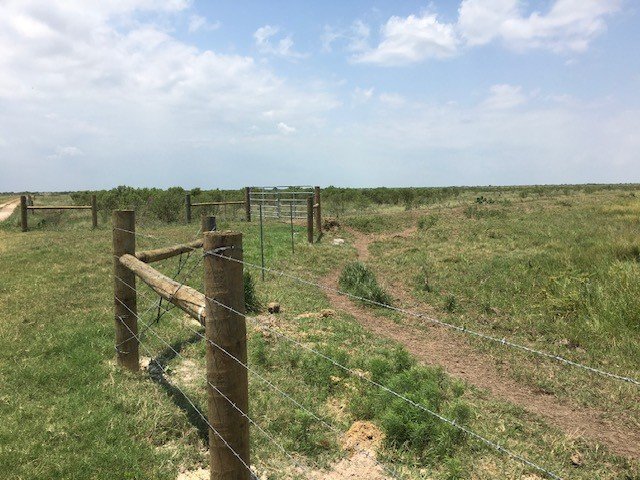
And yes, I became really skilled at putting up gates and building barbed-wire fencing. lol
Want to know how to gain an edge and what really matters?